Precision Water Leak Detection & Emergency Pipe Repair
Concealed plumbing leaks rarely announce themselves with a burst pipe—they quietly erode subfloors, saturate wall cavities, and undermine concrete slab foundations. Our licensed master plumbers deploy military-grade ultrasonic acoustic equipment, infrared thermal imaging cameras, and calibrated pressure decay gauges to pinpoint hidden leaks within inches without unnecessary drywall demolition.
Leak Detection vs. Leak Repair: What is the Difference?
While homeowners frequently hear these two terms combined, they represent distinct, specialized plumbing operations. Conflating the two often leads to invasive trial-and-error demolition by inexperienced contractors. Here is how our two-phase scientific process protects your property:
Professional Leak Detection
Leak detection is the non-destructive forensic process of identifying the exact coordinate, depth, and hydraulic origin of an unconfirmed breach without breaking walls or jackhammering floors.
- Ultrasonic Listening Probes: Captures the specific acoustic frequency of pressurized water escaping through pinholes.
- Infrared Thermography: Maps subtle temperature variations behind drywall and beneath subfloors.
- Digital Pressure Decay Gauges: Tests isolated lines to verify total system integrity down to the ounce.
Precision Leak Repair
Leak repair is the mechanical, code-compliant physical remediation executed once the exact failure point is verified, restoring pressurized water delivery or sanitary drainage.
- Targeted Surgical Access: Creating minimal 6-to-12 inch access ports rather than tearing out whole rooms.
- Permanent Pipe Restoration: Solder-free ProPress copper fittings, Type L copper renewals, or PEX crimp transitions.
- Overhead Slab Reroutes: Bypassing compromised under-slab hot water lines overhead to avoid foundation demolition.
Who to Call for Water Damage? Plumber vs. Restoration Contractor
When water pools in your home or stains your ceiling, homeowners are often thrown into panic and wonder whether they should dial a plumber or a water mitigation restoration company. The answer depends strictly on whether water is actively flowing and the extent of structural moisture.
1. Call a Plumber First
Primary Goal: Stop the Source
If water is actively leaking, dripping from ceilings, hissing behind drywall, or your water meter won't stop spinning, a licensed plumber must be on site first.
- • Active pressurized pipe ruptures & pinholes
- • Unexplained ceiling or under-slab leaks
- • Faulty shutoff valves & supply lines
- • Leaking fixtures, P-traps & water heaters
2. Call Restoration Second
Primary Goal: Dry the Structure
Once the plumber has verified that the leak is isolated and mechanically repaired, a water damage restoration team handles the drying and sanitization of the building envelope.
- • Standing water extraction & wet carpets
- • Industrial dehumidification & air movers
- • Saturated subfloor & framing structural drying
- • Mold remediation & antimicrobial wash
3. When You Need Both
Seamless Coordinated Care
For large-scale events like burst upstairs supply lines or broken drainage stacks, we work directly alongside reputable restoration teams and provide itemized documentation for your insurance adjuster.
- • Same-day plumbing repair to permit rapid drying
- • Documented cause of failure for insurance claims
- • Moisture mapping verification before wall closure
- • Prevents denial of claims for continuous seepage
Precision Detection & Repair In the Field
From non-invasive acoustic listening across industrial and residential piping to surgical drywall access windows, see how our master technicians diagnose and resolve complex plumbing breaches:
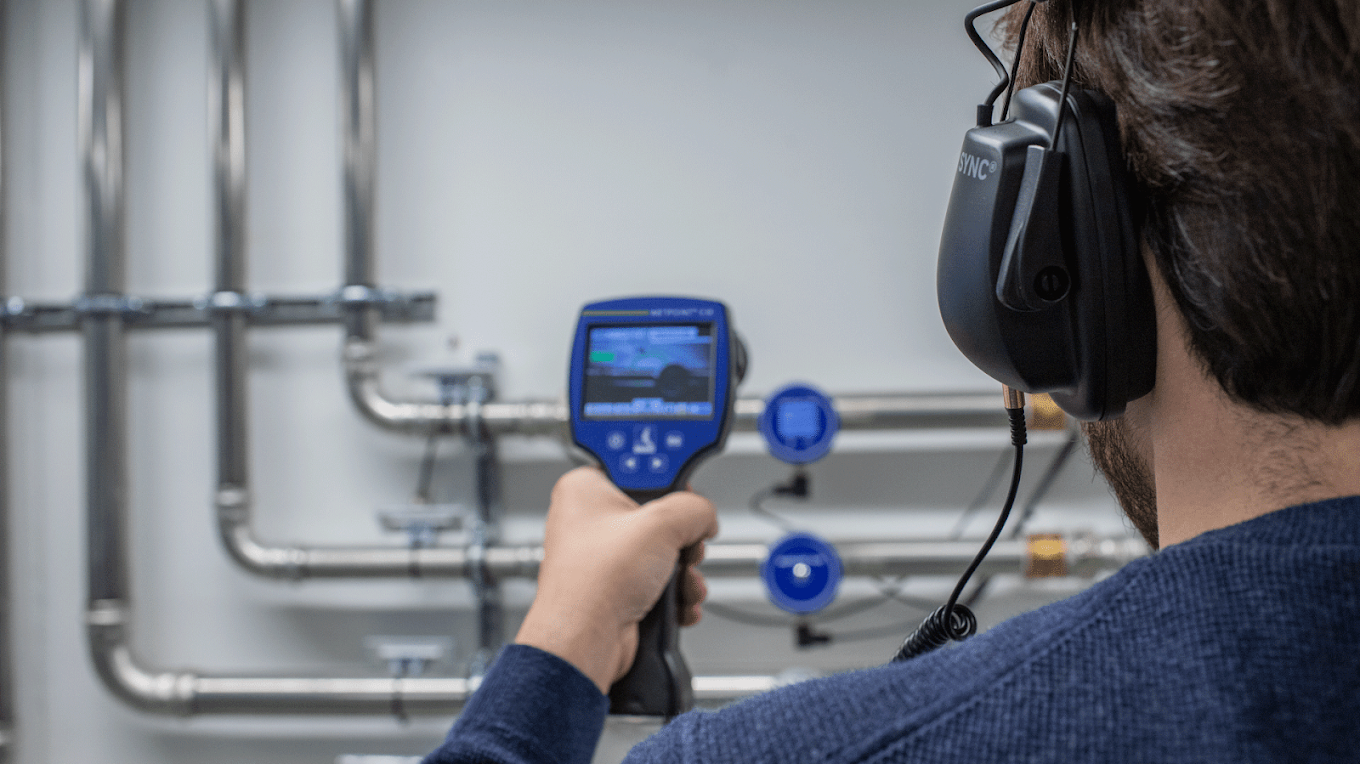
Acoustic & Ultrasonic Frequency Isolation
Using electro-acoustic listening discs and calibrated noise-canceling headsets, our technicians isolate the distinctive high-frequency sound of escaping water through concrete floors, structural walls, and commercial pipe infrastructure.
• Zero Wall Demolition Required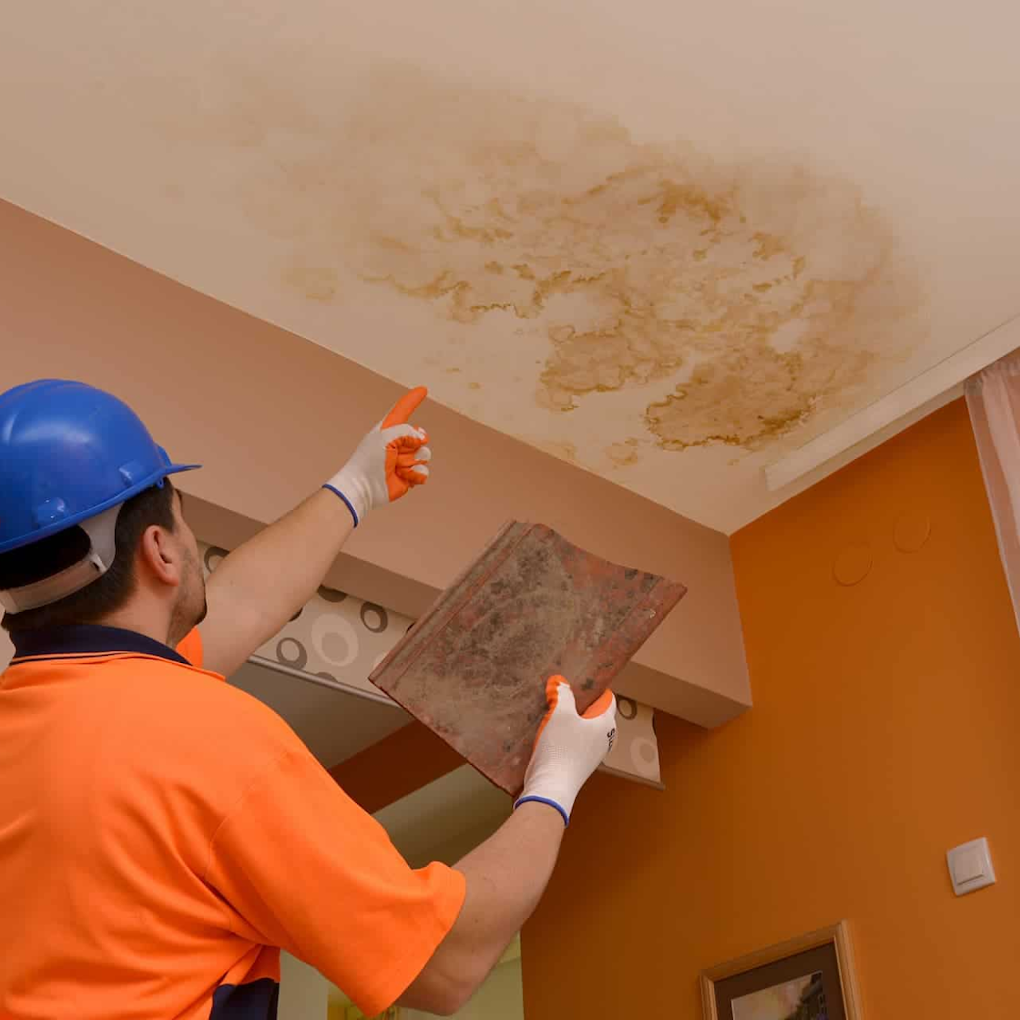
Ceiling Water Halos & Multi-Story Leaks
Water follows structural framing, meaning a ceiling stain is rarely directly below the leak. We map upstairs bathroom lines, shower pans, and vertical risers with thermal imaging before drywall weakens to the point of catastrophic ceiling collapse.
• Prevents Sheetrock Structural Collapse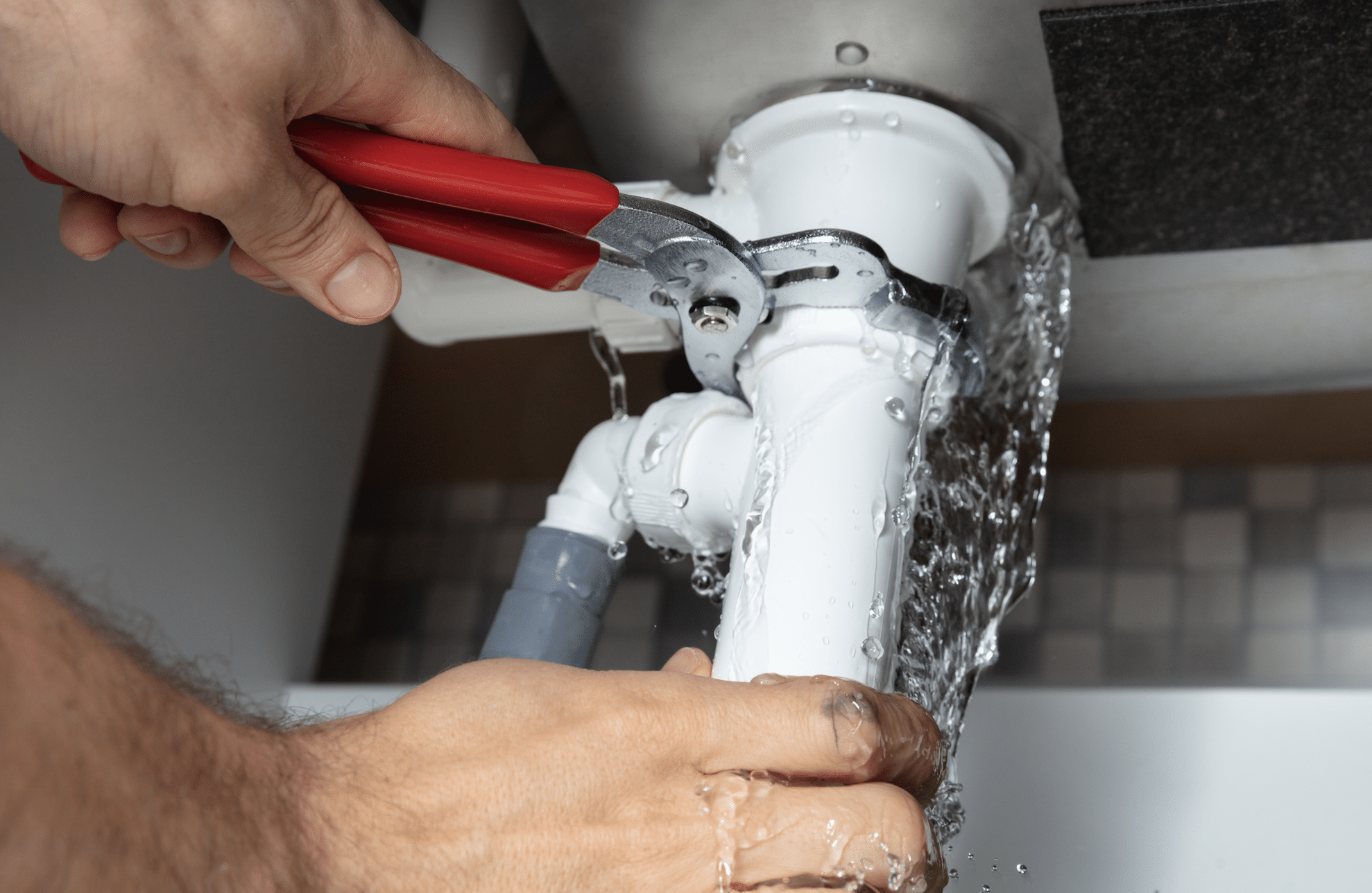
Pressurized Line & P-Trap Fixture Repairs
Under-sink leaks from corroded slip-joints, vibrating dishwasher waste connections, or failed shut-off angle stops can discharge hundreds of gallons into vanity cabinets. We rebuild fixture drainage and install braided stainless supply risers.
• Commercial-Grade Hardware & Seals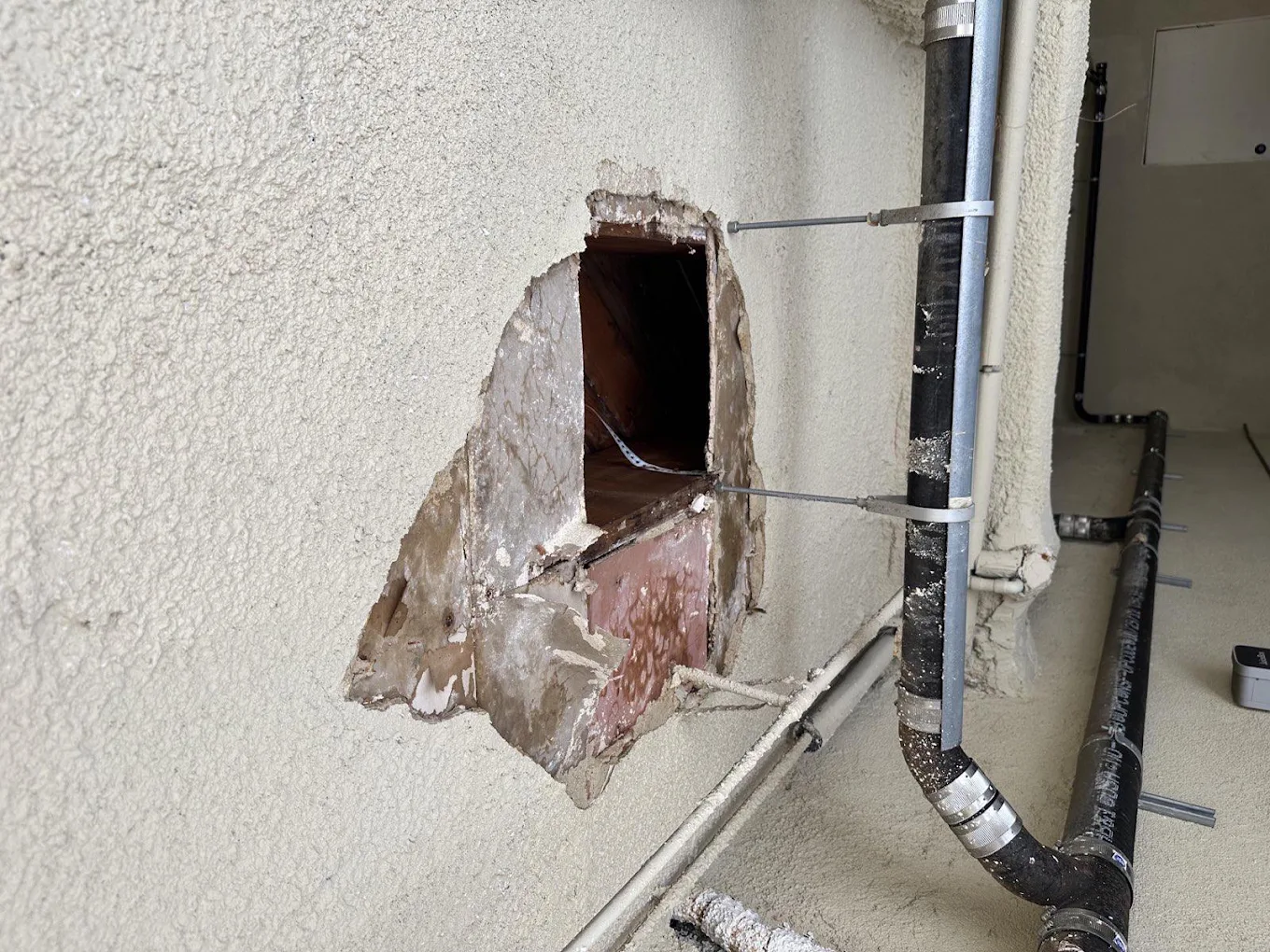
Concealed Cavity & DWV Stack Restoration
Once acoustic scanning pinpoints the compromised joint, we cut a clean, surgical inspection port directly over the damaged pipe stack or riser. This allows code-compliant repiping while avoiding widespread destruction of exterior stucco or interior finish.
• Minimal Invasiveness & Fast Patching6 Signs You Have a Hidden Plumbing Leak
Most devastating water damage incidents begin as micro-fissures that go unnoticed for weeks or months. Watch for these telltale indicators and schedule an immediate diagnostic inspection:
Unexplained Spikes in Water Bills
If your monthly utility bill jumps without changes in household occupancy, lawn irrigation, or seasonal habits, an underground or wall-cavity supply line is actively discharging pressurized water 24 hours a day.
Spinning Water Meter Leak Indicator
Turn off all faucets, washing machines, and ice makers. Inspect your water meter's low-flow indicator (small red triangle, silver star, or digital register). If it moves even slightly, you have an active leak on your pressurized line.
Warm Spots on Floors (Slab Leaks)
Walking barefoot across tile or hardwood and feeling an unexplained warm zone is a classic symptom of a broken domestic hot water pipe beneath your concrete slab foundation. Left unaddressed, it leads to soil washing and foundation shifting.
Musty Odors & Rapid Mold Blooms
Toxic black mold spores colonize moist enclosed cavities within 24 to 48 hours of water exposure. Persistent earthy, musty smells in basements, bathrooms, or closets indicate concealed moisture trapped behind sheetrock.
Ghost Flushing & Silent Toilet Leaks
A warped toilet flapper can silently waste up to 200 gallons of water daily. Place 5–6 drops of dark food coloring in the tank. If color seeps into the bowl within 15 minutes without flushing, the flush valve requires immediate replacement.
Hissing or Trickling Sounds in Quiet Rooms
Late at night when all plumbing fixtures are silent, hearing a steady faint hiss, whoosh, or dripping sound inside walls or under cabinets is definitive evidence of pressurized water escaping through a pinhole pipe fracture.
Our 4-Step Precision Diagnostic Process
We never guess and we never blindly open walls. Our licensed plumbers follow a rigorous four-phase protocol designed to identify the exact cause and resolve the breach with minimal property disruption:
Pressure Baseline Test
We install high-precision pressure gauges on your system and isolate individual supply zones. If pressure decays over a 15-minute window, a leak is mathematically verified on that circuit.
Thermal & Acoustic Scan
We sweep walls, ceilings, and flooring with FLIR infrared thermal cameras to detect moisture evaporative cooling patterns, followed by ultrasonic acoustic ground microphones to hear the breach.
Exact Coordinate Pinpointing
We pinpoint the leak coordinate to within a 6-inch radius. If needed, a microscopic fiber-optic borescope is inserted through an unobtrusive 1/4-inch test hole to visually inspect the pipe without tearing down drywall.
Code-Compliant Repair
We open a surgical access window directly over the defect and perform permanent repairs using flame-free ProPress fittings, new Type L copper, or heavy-duty PEX crimp systems before re-testing line pressure.
Water Leak Detection & Repair FAQs
Clear, transparent answers from master plumbers regarding detection methodology, pricing, insurance considerations, and structural safety:
Professional plumbers utilize non-invasive diagnostic technologies including ultrasonic acoustic sensors, ground microphones, and thermal imaging cameras. When water escapes a pressurized pipe, it emits high-frequency friction acoustics and alters the surface temperature of adjacent drywall or flooring. By calibrating acoustic amplifiers and analyzing infrared thermal gradients, our technicians can pinpoint hidden leaks behind walls and beneath concrete slabs within a few inches before cutting a single hole.
Leak detection is the investigative diagnostic phase where specialized sensors and pressure decay testing identify the exact location and cause of a hidden pipe failure. Leak repair is the subsequent mechanical service where a licensed plumber cuts targeted surgical access directly over the fault and physically repairs or replaces the pipe using code-compliant materials (such as ProPress copper fittings, Type L copper renewals, or PEX transitions).
If water is actively leaking or the source of the moisture is unknown, you should always call a licensed plumber first. The plumber must stop the active flow and mechanically repair the plumbing failure before any drying can succeed. Once the pipe is permanently repaired, an IICRC-certified water damage restoration company should be brought in to extract standing water, deploy industrial dehumidifiers, and treat structural framing against mold growth.
A slab leak occurs when a copper or PEX water supply line buried beneath your home's concrete foundation develops a pinhole fissure or cracked fitting. Common signs include unexplained hot spots on tile or hardwood floors, the sound of water running when all fixtures are off, damp or cracked foundation baseboards, a rapidly spinning water meter dial, and an abrupt increase in your monthly water heating bill.
To perform a baseline meter test, ensure all faucets, showers, toilets, dishwashers, and automatic irrigation systems are completely turned off. Locate your outdoor municipal water meter box and observe the low-flow dial (often shaped like a small red triangle, silver star, or digital flow rate indicator). If the dial spins or the digital reading ticks upward over a 15-minute window with all household fixtures shut down, pressurized water is escaping from your supply network.
Most standard homeowner's insurance policies cover the "tear-out and access" costs to locate the leak, as well as the resulting water damage mitigation and drywall rebuild, provided the leak was sudden and accidental. However, the plumbing pipe repair itself is typically considered regular homeowner maintenance. We provide complete, itemized diagnostic reports and photographic evidence to support your insurance claim submission.
Pinhole leaks in copper piping are primarily caused by internal pitted corrosion, excessively high municipal water pressure (above 80 PSI), aggressive water chemistry (low pH or high chloramine content), and turbulent water flow resulting from improperly reamed copper fittings. In closed plumbing loops, galvanic corrosion between dissimilar metals can also accelerate copper wall thinning.
Remove your toilet tank lid and deposit 5 to 6 drops of dark food coloring or a specialized dye tablet into the tank water without flushing. Wait 15 to 20 minutes without using the toilet. If the dye appears in the toilet bowl, your flapper valve or flush seat is warped and leaking water continuously down the drain, which can waste up to 6,000 gallons per month.
A standard residential leak detection appointment typically takes between 1 and 3 hours. This includes isolating the main water supply, conducting pressure decay verification, sweeping the property with infrared thermal imaging and acoustic sensors, pinpointing the breach, and presenting you with an exact diagnosis and upfront flat-rate repair estimate.
First, immediately shut off the main water valve to your home (usually located in the basement, utility room, or outdoor meter box) to halt active flooding. Second, turn off the electrical breaker to the affected room if water is near outlets or light fixtures. Third, take clear photographs and video of standing water for insurance documentation. Finally, call our 24/7 emergency dispatch line at 303-309-4144 for rapid plumbing response.
Leak Detection & Repair in Your Neighborhood
Our mobile emergency plumbing vehicles are strategically stationed across the south Denver metro area for rapid local dispatch: